What does failure look like when the work looks finished?
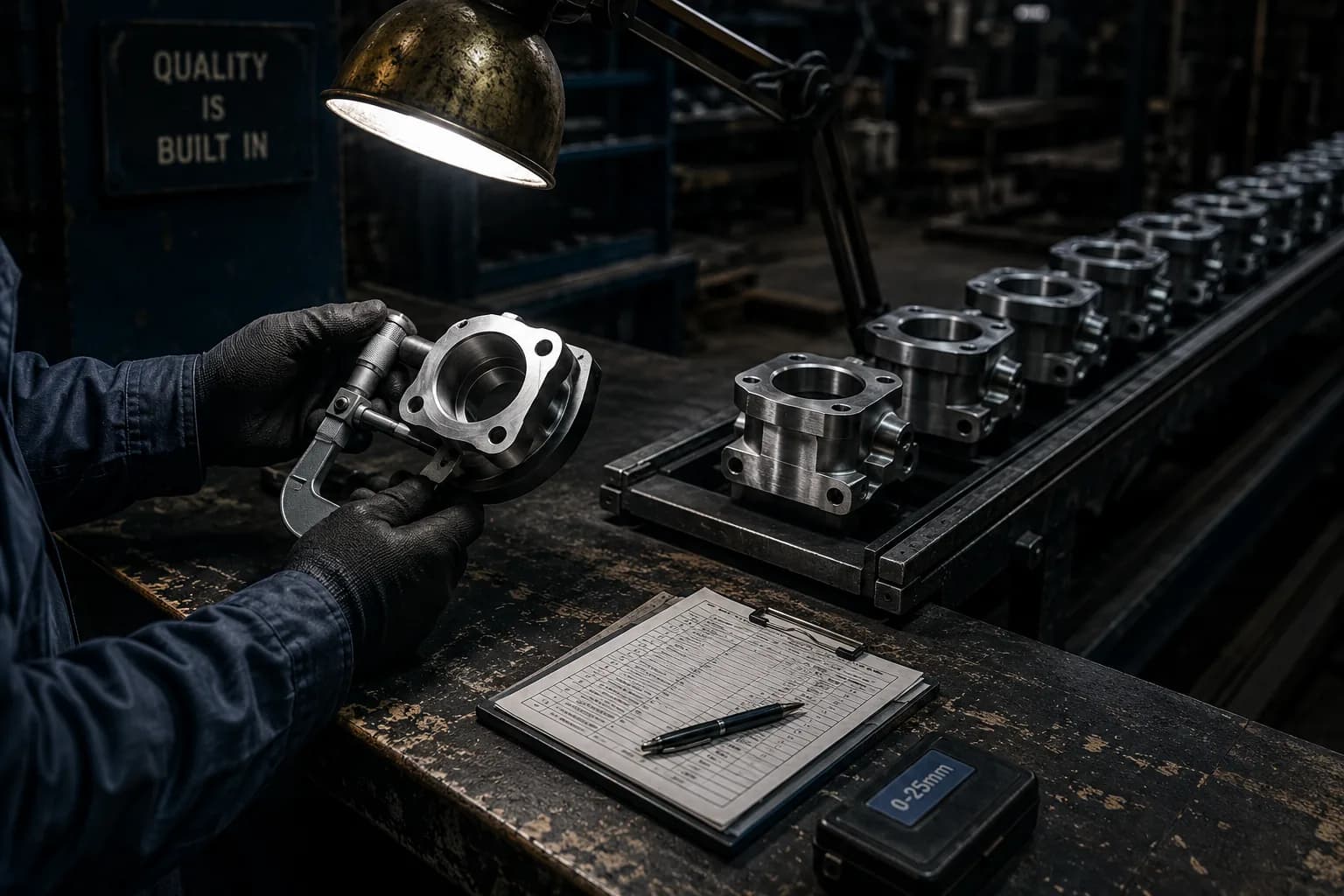
We always define what success looks like, accuracy rates, hours saved, cost per ticket, or 90-day retention. But we rarely set a benchmark for failure. With AI, knowing exactly where that line is drawn is critical because the mark shifts with every single project.
The danger of polished mistakes
Traditional software fails loudly. A crashed process leaves a stack trace and a line number. AI, however, fails quietly. Even when a model is completely wrong, it presents its answer with absolute confidence, formatting it to look professional and complete. Because human beings are wired to judge quality by how “finished” something looks, AI mistakes easily slip by.
Silence isn't success.
A lack of complaints doesn't mean your AI is working. People usually form a negative opinion and silently abandon a product long before they file a complaint. With AI, this silent churn is even harder to track because the output that drove them away probably looked flawless.
How to catch and track AI failure
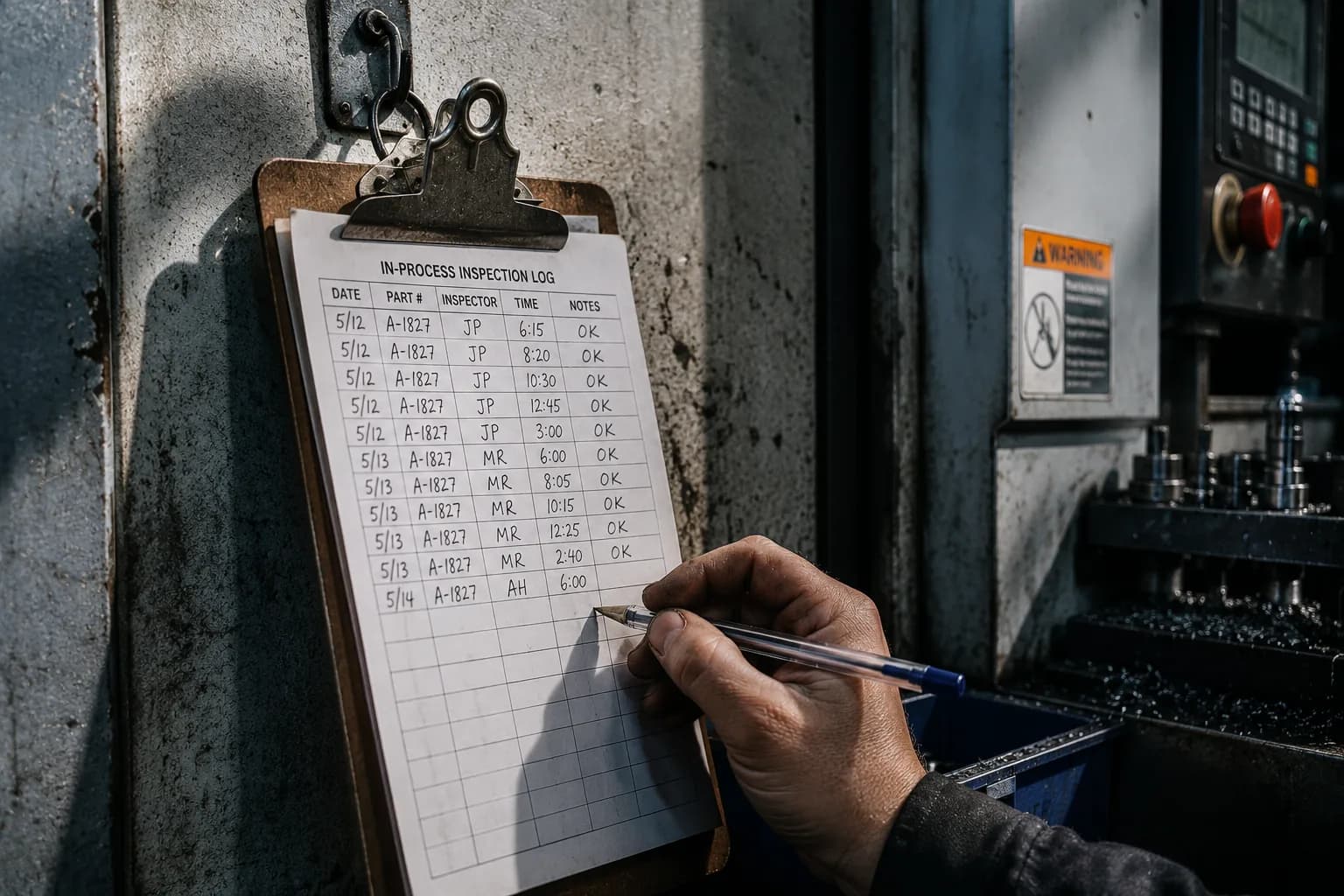
- Define the fail line immediately: Set your failure threshold at the same time you set your success metrics. Write down whose job it is to make that call.
- Log the “catch”: The record starts the moment a human notices a mistake. Log what the model produced, who spotted the error, and how long it sat in use before being caught.
- Audit the quiet work: Once a month, pull a sample of AI output that never generated a complaint and have a subject matter expert review it. That is your true error rate.
Governance over velocity
Around 95% of businesses currently fail at AI adoption. To survive, companies have to trade raw velocity for strong governance. Mistakes multiply instantly in AI, and you can't hold an algorithm accountable.
If you have AI running across multiple departments and no one dedicated to checking what it produces, OPZET can step in and audit the outputs before those hidden failures turn into real liabilities.