Why Human-AI UX (HAX) determines the future of business.
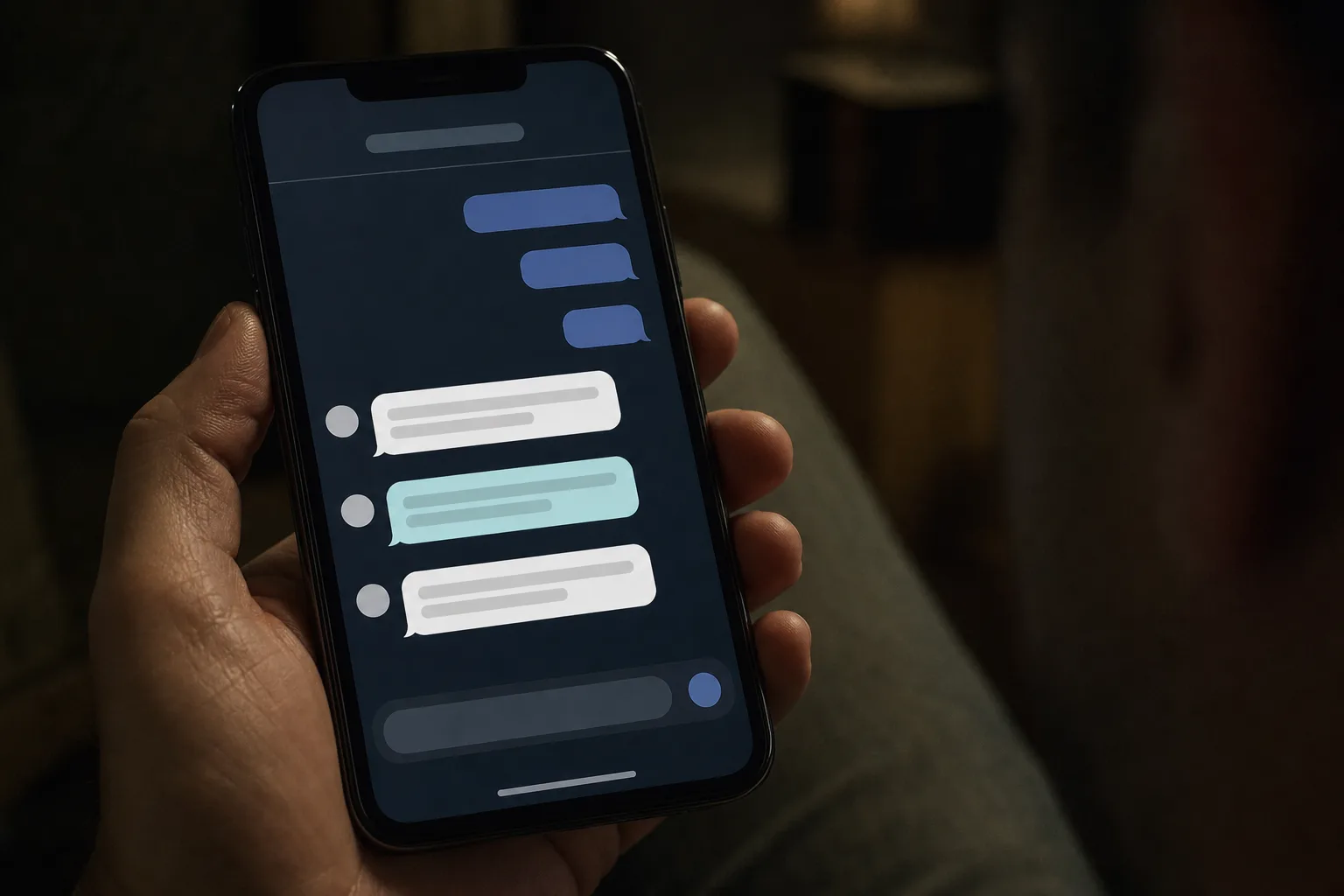
Human-AI UX (HAX) is the discipline of making AI systems predictable, collaborative, and easy to recover from when they make mistakes. AI customer support fails when it is built to cut costs instead of solving the problem the customer showed up with.
What is HAX and why it matters
Traditional UX is built on predictability. You click a button and the same event happens every time.
AI-driven UX works differently because AI is probabilistic, dynamic, and inconsistent. HAX (Human-AI Experience) is a design methodology, drawn from research frameworks like Microsoft's HAX Toolkit, that helps product teams design interfaces that manage that unpredictability without leaving the user stranded.
Without a HAX strategy, products carry three recurring failures. The black box problem leaves users unable to see why an AI made a decision or how to correct it. The agency problem traps users in automated loops with no clear exit. The recovery problem means that when the AI makes an error, there is no intuitive path for a human to step in and fix it.
When it goes wrong
Enterprise spending on customer-facing AI agents is at an all-time high in 2026. Rushing these systems into production without a human-centered framework has produced a wave of customer friction that is causing lack of trust and customer dissatisfaction.
The 2026 Qualtrics Consumer Experience Trends Report surveyed more than 20,000 consumers across 14 countries and found that nearly 1 in 5 consumers who used AI for customer support received no benefit at all. That is a failure rate almost four times higher than AI use on average, across tasks like shopping assistance, content creation, and personal productivity.
The cause is deployment philosophy. Companies deploy AI to deflect cost, not to resolve the customer's problem, and customers can tell the difference. Customer dissatisfaction and frustration leads to customer churn.
The anatomy of an AI support failure
When a bot has no HAX blueprint, a simple query turns into a dead end.
The deflection loop comes first. A customer messages a retail bot because a package marked delivered never arrived, and the bot keeps offering a tracking link because it cannot process anything outside its standard path.
Then the hidden escape hatch. The customer types "speak to a human" and the bot answers, "I can help you with that, please describe your issue." With no handoff designed into the system, the user circles.
If the customer finally reaches a person, they repeat the entire story from the beginning because the AI never preserved or passed the interaction history. This is why 50% of the consumers Qualtrics surveyed worry that deploying AI means losing access to human contact entirely.

Four HAX dimensions to evaluate
Looking past the surface interface means assessing how the system actually behaves when a user needs something from it. Four dimensions carry most of the weight.
| HAX Dimension | Core Evaluation Question | Best Practice |
|---|---|---|
| 1. Intentionality of Purpose | Is the AI deployed to solve the user's problem, or to deflect tickets? | Align metrics with resolutions and satisfaction, not deflections. |
| 2. Clarity of Capability | Does the system make it obvious what it can and cannot do? | Set expectations early. If the bot handles only Tier-1 FAQs like returns and hours, say so upfront and offer an escape hatch. |
| 3. Graceful Handoffs | When the AI fails, does the design allow an instant handoff? | Provide an explicit "Speak to Human" path that preserves and passes chat history and builds trust. |
| 4. The Feedback Loop | How does the system learn from user corrections and friction? | Turn conversational errors into evaluation data that updates the knowledge base and provides metrics on qualitative factors. |
Designing with intent
The next stage of AI is not more complex algorithms behind thicker glass, it is more thoughtful frameworks built around them so the failure modes are handled before they reach the customer. When you design against these four dimensions, an AI system that hits its limits hands the user to a person who can help instead of leaving them at a digital dead end.
Evaluate the system extensively before you ship the bot.
If you are deciding where AI fits into your operations and want an outside read before you commit, OPZET can help.
Sources
Qualtrics XM Institute, 2026 Consumer Experience Trends Report (survey of 20,000+ consumers across 14 countries, fielded Q3 2025).
Microsoft, HAX Toolkit (Human-AI Experience design guidelines and patterns).